November 17, 2021
On pause…

On pause…
And today I got my Covid-19 vaccine booster shot. So that’s taken care of…
Now, yesterday I asked: What’s the whole supply chain issue have to do with food? Well, on the one hand, I was talking about the way American farmers were being impacted by the whole shipping crisis… And that the milk from these Northern California dairies was being used to make candy (that is probably shipped back to the U.S., chock full of artificial colors and flavors)… And the whole thing is just another piece of the Processed Food Industrial Complex.
But when I thought more about it… I started to get ticked off! There are millions of hungry, under nourished children in this country. Millions. And our farmers make milk powder to send out of the country to make candy? Yep, that’s the PFIC in action.
Half way through November. Year drawing to a close.
Covid test came back negative, which is a good thing.
And the news has been full of stories about the problems with the ‘supply chain’.
Ships waiting for room to dock at ports that are overwhelmed with containers already.
Not enough truck drivers to move all the containers out of storage in the ports.
And millions of first world consumers who have to wait for their new cars, appliances and holiday toys.
This comic strip:

And what does this have to do with Food, you ask?
Well, as I read today in the NYTimes, there is a bit more to the story…
It’s not only about shipping products to the U. S. What about the cargo these ships carry away from the U.S.?
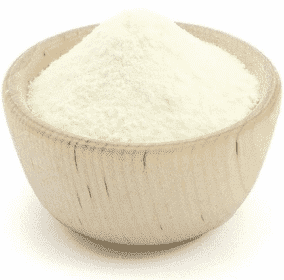
“… one of the nation’s largest cooperatives, California Dairies, Inc, which manufactures milk powder for factories in Southeast Asia and Mexico that use it to make candy… roughly 60% of the company’s bookings on outbound vessels have been canceled or deferred in recent months…”
“Ships now take weeks, rather than days, to unload at the ports, and backed-up shippers are so desperate to return to Asia to pick up more goods that they often leave the United States with empty containers rather than wait for American farmers to fill them up.”
“Agriculture accounts for about one-tenth of America’s goods exports, and roughly 20 percent of what U.S. farmers and ranchers produce is sent abroad. The industry depends on an intricate choreography of refrigerated trucks, railcars, cargo ships and warehouses that move fresh products around the globe, often seamlessly and unnoticed.”
Food for thought.
Had another Covid test today.
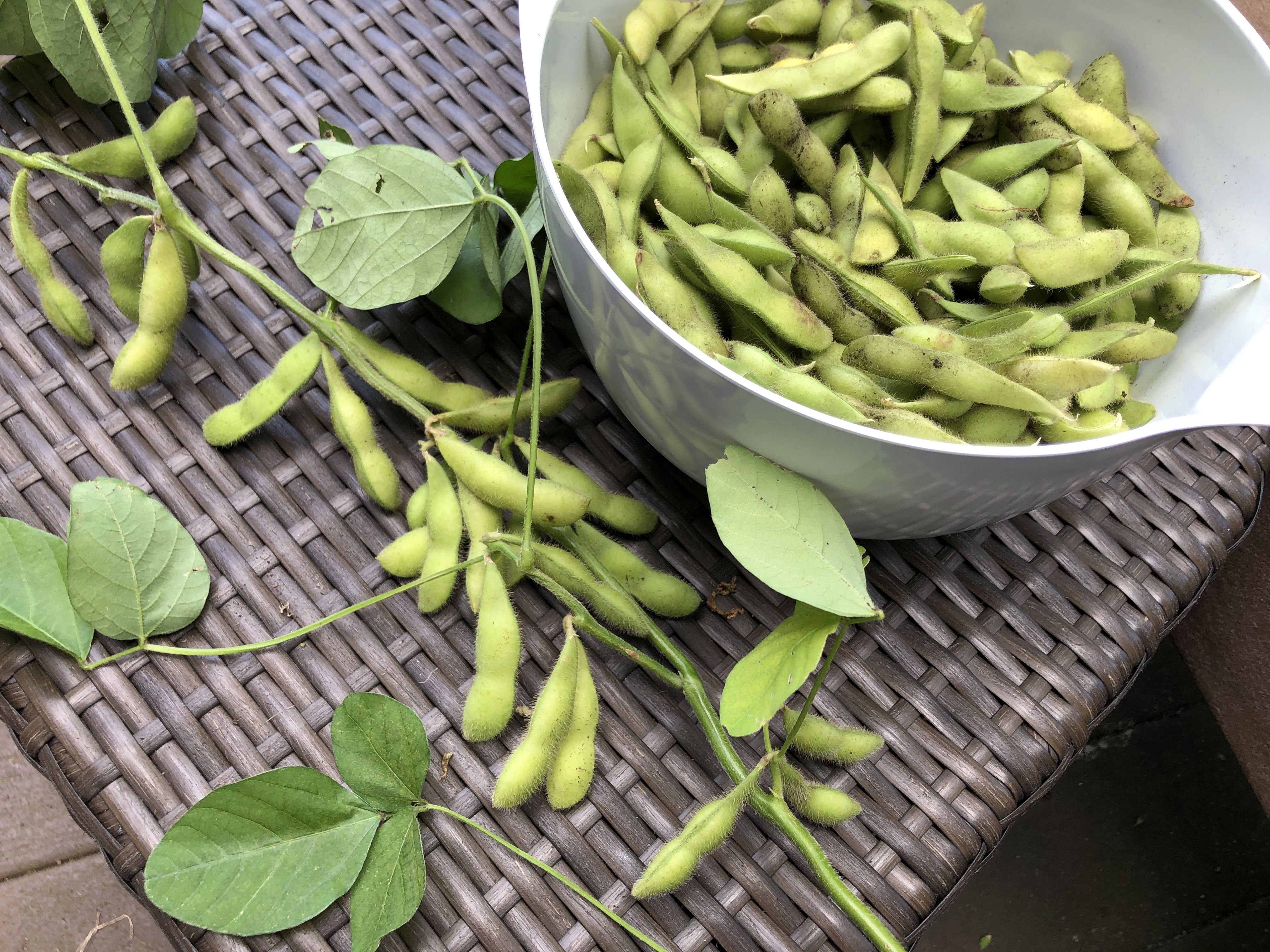
These are some edamame beans I grew this past summer.

Taking the easy way out today.
This little Figgy went to Market…Basket
This little Figgy stayed home… on the tree
This little Figgy was served with Roast Beef
This little Figgy was eaten alone
And this little Figgy went nowhere, because it was not fully grown.
Well, honestly, I don’t have anything chatty to say about our FLStories or the PFIC.
Covid-19 has crept closer to my family and I am completely distracted by that.
I will say that I strongly believe that a significant percentage of the illnesses and suppressed immunity that has been exposed by the pandemic can be laid squarely at the doorstep of the PFIC.
The damage that 70+ years of eating the chemical-laden non-food that they produce has not been fully investigated and probably never will be, given the grip that the industry has on the U.S. Government.
I read something today that opened my mind (sort of blew my mind, actually) to something that I had never thought of, relating to the PFIC. The production of junk food, fast food, ‘nutrient-poor discretionary food’… what ever you want to call the processed food that has become such a major part of most consumers diets… has a huge environmental impact!
These quotes are from an article* about a 2021 study (published in the journal Current Nutrition Reports), which reviewed 20 studies that had evaluated the environmental impact of food consumption in Australia and New Zealand…
“The foods we choose to consume can have a harmful impact on the environment. Both animal products and processed foods require additional cropland, water, packaging, and other inputs. In New Zealand, livestock and processing meat, seafood, and eggs account for 35 percent of greenhouse gas emissions from foods, while processed foods such as pastries and ice cream account for 34 percent… Thirty percent of Australia’s food related greenhouse gases came from avoidable energy-rich and nutrient-poor discretionary foods, such as sugar-sweetened drinks, pastries, confectionary foods, processed meat, and alcohol.”
And my reaction was ‘Of course! Duh!’ All those delicious chemicals that I was talking about yesterday are escaping from the factories of the PFIC. And the packaging… what a waste of natural resources to wrap those products! Products that do not provide nutrition and are in fact making generation after generation of human beings ill. And please don’t mistake me here, I am not talking about the oft decried ‘obesity epidemic’. Crap ‘food’ produced by the PFIC is hurting everyone, skinny or fat. It is a widely ignored health issue for people of all body types.
I almost wish that I could say it’s occurring in the US and other (so called) developed nations, but an appetite for soda, chips and other unhealthy ‘foods’ has spread across the globe. The profits of the PFIC and it’s adjunct, the advertising industry, have been growing since the mid-20th century and they have no plans to slow down. New chemical-based edibles are being developed. One can only hope that more studies will reveal the damage to the environment and to our bodies the PFIC is causing.
* Junk Food Almost as Bad as Meat for the Environment by John Douillard
One thing that I loved when interviewing people about their FLS was how, inevitably, at some point while we were talking, they would say something like: “Haven’t thought about this in years…” or “I had forgotten about this, but…” or “Talking about this, as you ask me questions, I can remember xyz…” It was so much fun to be part of their recapturing memories. Sometimes they were sad memories, of course, but they still brought a kind of pleasure, of regaining a scrap of childhood. It’s clear that our memories are colored and very personal. It would be fun to interview siblings… there would likely be disparities in recounting the same events, since we experience everything through our own filters…
But equally interesting are the similarities… interviewee AC spoke about her mother making salad dressing from mayo & catsup in 1940’s New England, the same dressing as MA’s mother made in the south in the 1960’s. My mother got store brand bottles of ‘Italian’ dressing, which never tasted very good. More of those artificial flavor chemicals, I guess. Certainly nothing like a simple vinaigrette of olive oil, vinegar and spices that we enjoy these days. Hmm… makes me crave a salad.
So… yesterday’s post did not get ‘published’ until this morning, because I wrote it and planned to post it later, but instead, I fell asleep.
So… I’ll try not to do the same thing today. My thoughts about food right now are colored by the fact that I am nine days into an Ayurvedic cleanse that I’ve been doing twice a year for 10 or more years. Not going to try to describe the cleanse; if you want to know more, google LifeSpa and the Colorado Cleanse. Dr. John Douillard shares some amazing information, which has definitely become part of my FLS. Main confusion most people have is that they hear ‘cleanse’ and think ‘fast’, followed by thinking ‘only drinking juices’ and ‘Yuck! Why?’
Well, it’s not like that. It’s very much about choosing what to eat and eating until I’m satisfied; not about deprivation and hunger. It’s about detoxifying the digestive system by eating like a vegan and choosing not to have sugar or wheat. A vegan diet is already dairy-free. And those could be considered my favorite food groups:
Sugar, with an emphasis on chocolate, good chocolate, not commercial ‘plastic’ or processed chocolate.
Dairy, with an emphasis on cheese and butter; the real stuff. Greek and frozen yogurt are big faves.
Wheat, with an emphasis on fresh bread in any form, often eaten with an aforementioned dairy product.
So… each time I choose to stop eating those foods for a couple of weeks, I learn more about myself. Since I eat primarily a vegetarian diet anyway, with occasional poultry and fish, I’m generally satisfied with vegetables, raw or cooked. But I can’t ignore or deny that my body reacts to sugar and sometimes to eating too much breadstuffs or dairy. It’s interesting to give my body a break from those stressors. At the same time, I realize that forgoing the sweets and wheat products, especially the sweets, pushes me to face emotional stressors without their tasty buffering.
One of the things that has always bothered me is ‘fake flavors’, that is, chemically produced flavors that are in all processed ‘foods’. Even as a child, I despised the fake cherry taste in candy or Fizzies. But along with sugar (or actually, corn syrup) and salt, artificial flavoring has long been a staple in the PFIC.
“During the first decades of the twentieth century, millions of American palates adjusted to artificial flavors and then welcomed them; and consumers started to let the food industry make a great many decisions on matters of taste…”
from “Something From the Oven” by L. Shapiro
 food life story